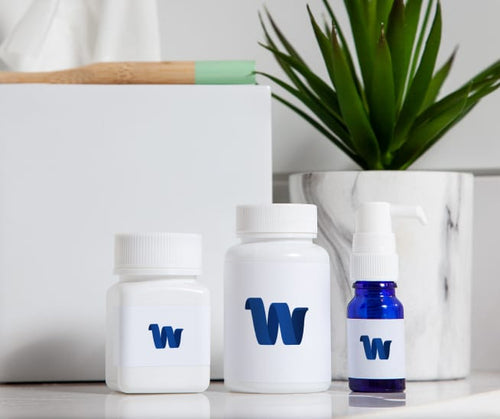
Custom Allergy Drops: Complete Guide to Sublingual Immunotherapy

How effective are allergy drops really?
Allergy drops are 85-95% effective at reducing allergy symptoms when taken consistently for 3-5 years. Clinical studies show they decrease symptoms by 30-40% in the first year, with continued improvement over time. Most patients experience significant relief and reduced need for allergy medications after completing treatment.


What Is Sublingual Immunotherapy?
Sublingual immunotherapy is a treatment method that involves placing custom allergy drops under the tongue to gradually desensitize your immune system to specific allergens. This form of immunotherapy works by exposing your body to small, controlled amounts of allergens over time, training your immune system to stop overreacting to them.
How Custom Allergy Drops Differ from Standard Treatments
Allergy drops are personalized medications formulated based on your specific allergy test results and medical history. Unlike over-the-counter (OTC) antihistamines that only mask symptoms temporarily, custom allergy drops target the root cause of your allergies. The treatment protocol typically involves daily administration at home, making it more convenient than traditional allergy shots that require frequent office visits.
Key Components of Sublingual Immunotherapy
Custom allergy drops contain precise concentrations of allergen extracts tailored to your sensitivities. The formulation process considers multiple factors:
- Your specific allergen triggers identified through testing
- The severity of your allergic reactions
- Your medical history and current medications
- Age and overall health status
These personalized drops can address multiple allergens simultaneously, including pollen, dust mites, pet dander, and mold. The concentration gradually increases during the build-up phase, allowing your immune system to develop tolerance safely and effectively.
How Do Allergy Drops Work?
Allergy drops work by introducing small amounts of allergens under your tongue, where they're absorbed by specialized immune cells that gradually train your body to tolerate these substances. This process, called desensitization, reprograms your immune system over time to stop viewing harmless allergens as threats, ultimately reducing or eliminating allergic reactions.
The Science Behind Sublingual Absorption
Sublingual immunotherapy leverages the unique properties of the tissue under your tongue for optimal allergen delivery. The sublingual area contains dendritic cells that capture allergens and present them to your immune system in a controlled manner. These specialized cells help shift your body's response from producing allergy-causing antibodies (IgE) to creating protective antibodies (IgG4) that block allergic reactions.
The Treatment Process and Timeline
Custom allergy drops follow a two-phase treatment protocol designed for maximum safety and effectiveness:
- Build-up phase (3-6 months): Starting with low allergen concentrations that gradually increase
- Maintenance phase (3-5 years): Consistent dosing at therapeutic levels to achieve lasting immunity
- Daily administration: Taking drops under the tongue and holding for 30-60 seconds before swallowing
Your immune system begins responding within weeks, though noticeable symptom improvement typically occurs after 3-6 months of consistent use. The gradual exposure allows your body to develop tolerance without triggering severe reactions, making this treatment safe for home administration.
Why Choose Allergy Drops?
You should choose allergy drops because they offer convenient at-home treatment, eliminate the need for frequent doctor visits, and provide the same effectiveness as allergy shots without needles. Custom allergy drops can treat multiple allergens simultaneously, are safe for children, and have minimal side effects compared to other immunotherapy options.
Sublingual Allergy Drops Versus Tablets
Allergy drops offer greater flexibility than sublingual tablets because they can be customized to treat your specific allergen profile. While FDA-approved tablets only address single allergens like grass or ragweed, custom drops can target multiple environmental triggers including trees, weeds, molds, and pet dander in one formulation. The liquid format also allows for precise dosing adjustments based on your response to treatment.
Key advantages of drops over tablets include:
- Treatment of unlimited allergen combinations in one bottle
- Easier administration for children and those with swallowing difficulties
- Gradual dose escalation for improved tolerance
Sublingual Allergy Drops Versus Allergy Shots
Studies demonstrate that allergy drops match the effectiveness of shots while offering superior convenience and safety. Shots require weekly or bi-weekly clinic visits for injections, carry risk of anaphylaxis requiring 30-minute observation periods, and often cause painful injection site reactions. Drops eliminate these concerns through painless sublingual administration at home.
The practical benefits make drops particularly appealing for busy adults and families with allergic children. Treatment adherence rates exceed 90% with drops compared to 50-70% with shots, primarily due to the elimination of travel time and needle anxiety. Most patients experience fewer systemic reactions with sublingual therapy, making it the preferred choice for those seeking effective, hassle-free immunotherapy.
Who Can Benefit from Sublingual Immunotherapy?
Sublingual immunotherapy benefits adults and children over age five who suffer from environmental allergies including pollen, dust mites, mold, and pet dander sensitivities. Custom allergy drops work particularly well for patients who cannot tolerate shots, have needle phobia, or need convenient at-home treatment options.
Ideal candidates for custom allergy drops include:
- Busy professionals unable to attend frequent clinic appointments
- Children with allergies who fear needles or cannot sit still for injections
- Patients with multiple environmental allergies requiring comprehensive treatment
- Individuals who experienced adverse reactions to allergy shots
- People living far from allergy clinics or with limited transportation
Certain medical conditions may affect eligibility for sublingual immunotherapy treatment. Patients with severe uncontrolled asthma, autoimmune disorders, or those taking beta-blockers should discuss treatment options with their allergist. Pregnant women can typically continue existing immunotherapy but shouldn't start new treatment until after delivery.
What About Allergy Drops for Food Allergies?
Currently, sublingual immunotherapy drops are not FDA-approved for treating food allergies and should not be used for this purpose. Custom allergy drops only treat environmental allergens like pollen, dust mites, mold, and pet dander, while food allergies require different management strategies and medical supervision.
Food allergy treatment differs significantly from environmental allergy immunotherapy. Oral immunotherapy (OIT) for foods involves consuming gradually increasing amounts of the allergen under strict medical supervision, unlike sublingual drops placed under the tongue. The FDA has approved Palforzia (peanut allergen powder) for peanut allergies, but this requires specialized administration protocols.
Key differences between environmental and food allergy treatments:
- Environmental allergy drops can be taken at home after initial consultation
- Food allergy treatments require ongoing medical monitoring during dose escalation
- Sublingual drops have minimal risk of severe reactions
- Food immunotherapy carries higher risk of anaphylaxis requiring emergency preparedness
- Custom allergy drops provide long-term tolerance after completion
- Food allergy treatments often require indefinite maintenance dosing
How to Take Sublingual Immunotherapy Drops?
To take sublingual immunotherapy drops, place the prescribed number of drops under your tongue, hold for 30-60 seconds, then swallow. Most patients take their custom allergy drops once daily, preferably at the same time each day for consistency and optimal effectiveness.
Daily Administration Steps
Proper technique for taking allergy drops:
- Wash your hands before handling the dropper bottle
- Tilt your head back slightly or use a mirror for accuracy
- Lift your tongue and place drops directly underneath
- Hold the liquid under your tongue for 30-60 seconds before swallowing
- Avoid eating or drinking for 5 minutes after administration
- Store the bottle according to your provider's instructions
Best Practices for Consistency
Establishing a routine helps ensure treatment success with custom allergy drops. Many patients find morning administration works best, taking drops immediately after waking before breakfast. Setting daily reminders on your phone or keeping the bottle in a visible location prevents missed doses. If you forget a dose, take it as soon as you remember unless it's almost time for the next scheduled dose.
What Are the Side Effects and Storage of Allergy Drops?
The side effects of allergy drops are typically mild, including temporary mouth tingling or itching, while storage requires keeping bottles refrigerated between 36-46°F. Most patients experience minimal reactions that resolve quickly, and proper storage ensures the drops maintain their potency throughout treatment.
Side Effects
Common mild reactions from custom allergy drops include:
- Tingling or itching under the tongue lasting 5-15 minutes
- Mild throat irritation or scratchy sensation
- Temporary lip or mouth swelling
- Slight stomach discomfort if swallowed too quickly
- Minor headache during initial treatment phases
Severe reactions are extremely rare with sublingual immunotherapy compared to allergy shots. Contact your healthcare provider if symptoms persist beyond 30 minutes or worsen over time. Most side effects decrease as your body adjusts to the treatment, typically within the first few weeks of starting custom allergy drops.
Storage Requirements
Custom allergy drops require refrigeration to maintain their effectiveness and prevent degradation of the allergen extracts. Store bottles in the main compartment of your refrigerator, avoiding the door where temperature fluctuates. Keep drops away from direct light and never freeze them, as this destroys the protein structure. When traveling, use an insulated cooler with ice packs for trips under 24 hours, or contact your provider about travel-sized bottles for longer journeys.
How Long Does Sublingual Immunotherapy Take to Work?
Sublingual immunotherapy typically begins showing symptom improvement within 3-6 months, though some patients notice changes as early as 8-12 weeks. Full benefits develop over 12-18 months of consistent daily use, with maximum effectiveness achieved after completing the full 3-5 year treatment course.
Timeline of expected improvements with custom allergy drops:
- Weeks 1-4: Body begins adjusting to allergen exposure, minimal symptom changes
- Months 2-3: Early responders may notice reduced medication needs
- Months 3-6: Most patients experience noticeable symptom reduction
- Months 6-12: Significant improvement in quality of life and allergy control
- Years 1-3: Progressive strengthening of immune tolerance
Individual response times vary based on allergen sensitivity levels, adherence to daily dosing, and the severity of initial symptoms. Patients with year-round allergies often see gradual improvements, while those with seasonal allergies may notice more dramatic changes when their trigger season arrives. Continuing treatment for the recommended duration ensures lasting immunity even after stopping the drops.
How Much Do Allergy Drops Cost?
Custom allergy drops typically cost between $100-300 per month, with annual expenses ranging from $1,200-3,600 depending on the provider and treatment complexity. Most insurance plans don't cover sublingual immunotherapy, though some providers offer payment plans or health savings account (HSA) eligible options.
Cost Comparison with Other Treatments
Allergy drops vs. other treatment options:
- Allergy shots: $1,000-4,000 annually plus weekly office visit costs
- Otc medications: $30-50 monthly, ongoing expense without lasting relief
- Prescription antihistamines: $50-200 monthly with insurance
- Custom allergy drops: One-time investment for long-term immunity
Several factors influence the final price of sublingual immunotherapy, including the number of allergens treated, concentration strength, and whether telehealth consultations are included. Many patients find the convenience of at-home treatment and potential for permanent relief justifies the upfront investment. Some providers offer bulk discounts for purchasing multiple months of treatment or family plans for households with multiple allergy sufferers.
Live Allergy-Free with Wyndly
If you want long-term relief from your allergies, Wyndly can help. Our doctors will help you identify your allergy triggers and create a personalized treatment plan to get you the lifelong relief you deserve. Start by taking our quick online allergy assessment today!
Frequently Asked Questions
Will insurance pay for allergy drops?
Insurance coverage for allergy drops (sublingual immunotherapy) varies by plan. Most insurance companies don't cover allergy drops since they're considered off-label use by the FDA. However, some plans may offer partial coverage. Check with your insurance provider and ask about reimbursement options or health savings account eligibility.
How do I know if allergy drops are right for me?
Allergy drops are ideal if you have moderate to severe allergies confirmed by testing, prefer avoiding weekly injections, or have difficulty visiting clinics regularly. They're suitable for treating environmental allergies like pollen, dust mites, and pet dander. Consult an allergist to determine if you're a good candidate.
Do allergy drops have side effects?
Allergy drops can cause mild side effects including itching or tingling in the mouth, throat irritation, and minor swelling under the tongue. Some patients experience temporary stomach upset or nausea. Severe reactions are extremely rare. Most side effects diminish as your body adjusts to treatment.
What are the side effects of allergy relief?
Common side effects of allergy medications include drowsiness (especially with first-generation antihistamines), dry mouth, dizziness, and headache. Nasal sprays may cause nosebleeds or irritation. Decongestants can increase blood pressure and cause insomnia. Immunotherapy may trigger local reactions like swelling or systemic reactions in rare cases.
What happens when you stop taking allergy drops?
When you stop taking allergy drops after completing the full treatment course (typically 3-5 years), your improved tolerance to allergens usually remains. However, stopping treatment prematurely may result in symptoms returning. Most patients maintain long-lasting relief, though some may need occasional maintenance doses years later.
Do you need a prescription for allergy drops?
Yes, you need a prescription for allergy drops (sublingual immunotherapy). These customized treatments require an allergist or physician to conduct allergy testing, determine your specific allergens, and prescribe the appropriate formulation and dosage. Over-the-counter allergy medications are different from prescription immunotherapy drops.
How much do immunotherapy allergy drops cost?
Immunotherapy allergy drops typically cost between $100-$300 per month without insurance. The total treatment duration is usually 3-5 years. Some insurance plans may cover sublingual immunotherapy, though coverage varies. Many clinics offer payment plans or subscription models to make treatment more affordable for patients.